Introduction
In the uncertain trip of life, emergency situations can strike when the very least anticipated. Whether it's a youngster choking on a toy, an elderly member of the family experiencing a clinical situation, or even an abrupt heart attack during a household event, recognizing just how to react can mean the difference between life and fatality. This is where Mouth-to-mouth Resuscitation (Cardiopulmonary Resuscitation) comes into play. It's not just a skill for healthcare professionals; it's an essential device every family must have in their emergency situation toolkit. Is your household CPR ready? In this extensive guide, we'll explore every little thing you require to learn about CPR, its relevance, and sensible tips to ensure your family is gotten ready for any emergency.
Is Your Home CPR Ready? The Relevance of Mouth-to-mouth Resuscitation Training
Understanding the Necessity of Mouth-to-mouth Resuscitation in Households
Cardiac apprehension can take place anywhere-- in your home, in the park, and even at work. According to the American Heart Association, nearly 350,000 out-of-hospital cardiac arrests take place yearly in the united state alone. If onlookers carry out mouth-to-mouth resuscitation right away, they can increase or perhaps triple a target's opportunities of survival. Hence, comprehending CPR saving lives isn't simply a motto; it's a reality that can be essential in emergencies.
Why Every Family members Need to Learn CPR
Imagine your kid all of a sudden collapses throughout play-- would you recognize what to do? Having fundamental understanding of exactly how to carry out mouth-to-mouth resuscitation can equip family members to act quickly CPR training and first aid resources and properly in crucial situations. Not first aid refresher course just does it conserve lives yet also helps reduce anxiety throughout high-stress scenarios.
The Function of Neighborhood Mouth-to-mouth Resuscitation Classes
Local CPR classes typically offer hands-on training that can substantially boost your skills and self-confidence. These courses are generally led by certified teachers who understand exactly how to convey essential information plainly and effectively. Many companies offer courses customized for certain age groups and scenarios-- guaranteeing everyone from infants to grownups understands just how to react in emergencies.
Household mouth-to-mouth resuscitation Readiness: Analyzing Your Existing Status
Evaluating Your Understanding and Skills
Before diving deeper into details strategies and pointers, take a minute to analyze what you already find out about CPR:
- Do you understand how to do upper body compressions? Are you familiar with making use of an AED (Automated External Defibrillator)? Have you ever taken a first aid class?
Assessing your present knowledge will aid recognize gaps that need addressing.
Creating an Emergency situation Action Plan
Every family need to have an emergency response plan that includes:
Designated emergency situation contacts A list of regional emergency services A prepare for exactly how each member will certainly connect throughout an emergencyBeing organized makes sure every person understands their function when necessity strikes.

Essential Abilities: How To Do CPR
Basic Actions for Adult CPR
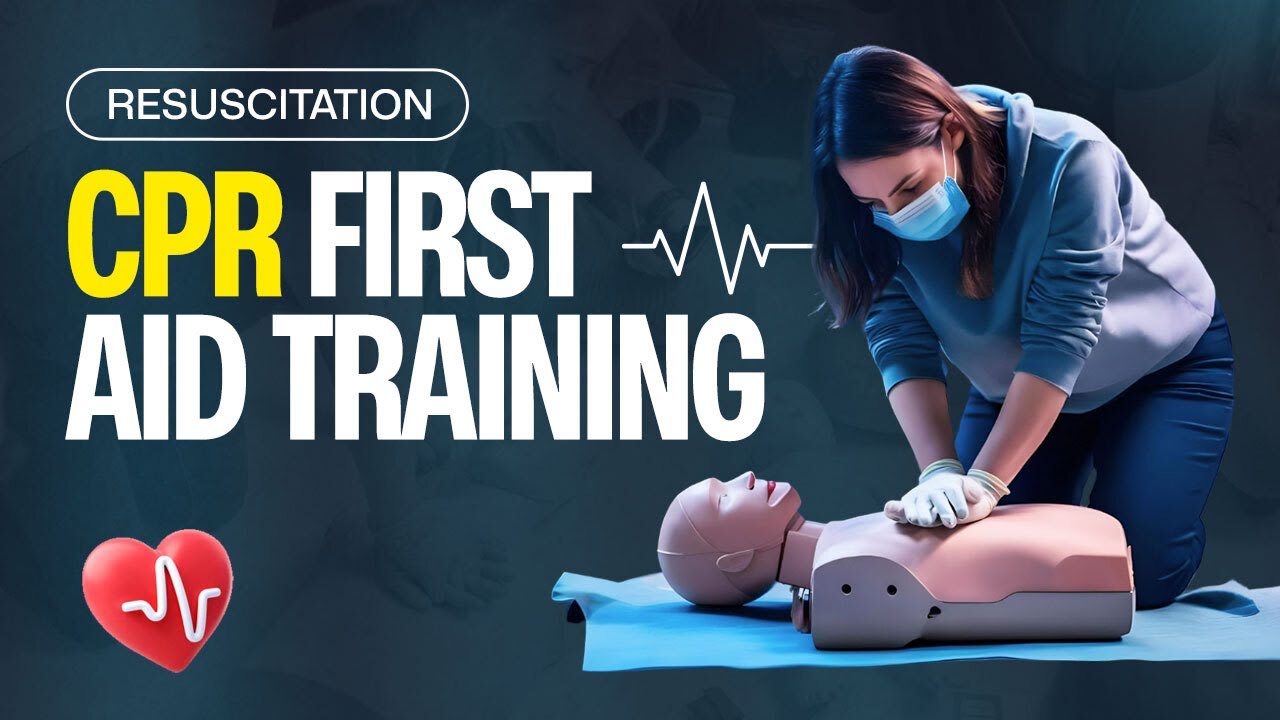
Call 911: Make sure emergency services get on their way. Position the Person: Lay them on their back on a flat surface. Perform Chest Compressions:- Kneel next to them. Place one hand on top of the other in the center of their chest. Push down set (a minimum of 100-120 compressions per minute), making sure correct compression depth.
Infant CPR Technique
Performing CPR on babies needs caution:
Call for help immediately. Position the baby face up on a company surface. Use two fingers to lower concerning 1 1/2 inches deep at a price of 100-120 compressions per minute. Give 2 rescue breaths if trained to do so.Advanced Resuscitation Skills
For those wanting to dig much deeper right into advanced resuscitation techniques, take into consideration signing up in specialized programs covering:
- Advanced airway management Use of complements like bag-valve masks Understanding numerous rhythms with ECG interpretation
Using AED: How To Make Use Of AED Efficiently During Emergencies
Understanding AEDs: What They Are and Why They Matter
An Automated External Defibrillator (AED) is designed to examine heart rhythms and deliver shocks if needed. Recognizing exactly how to use an AED can dramatically boost survival prices adhering to heart arrest.
Steps To Use An AED Correctly
Turn on the AED as soon as possible. Attach pads according to instructions-- one pad goes on the upper right upper body while one more goes on the reduced left side. Ensure nobody is touching the individual while it analyzes heart beat patterns. Follow triggers given by the device; if shock is suggested, press the shock button only after verifying nobody is touching the patient.Common Myths Concerning mouth-to-mouth resuscitation You Must Know
Debunking Usual False impressions Regarding Mouth-to-mouth Resuscitation Effectiveness
One common misconception suggests that "mouth-to-mouth resuscitation constantly reboots heart" when this isn't always real; instead, it keeps blood circulating till expert help arrives.
The Myth Concerning Incorrect Compression Depths
Another mistaken belief borders compression midsts-- lots of think any type of deepness will suffice; nonetheless, inaccurate compression deepness can drastically affect end results in real-life situations.
Special Circumstances: Sports-related Cardiac Arrest & Drowning Victims
CPR for Sinking Sufferers: Distinct Considerations
Drowning victims typically need instant attention since they may experience both respiratory failure and cardiac arrest simultaneously:
Remove them from water promptly. Initiate rescue breaths prior to starting chest compressions-- this varies from basic adult treatments where compressions begin first.CPR for Sports-related Heart attacks: Special Protocols
Sports-related cases are ending up being significantly common among athletes because of intense physical effort bring about arrhythmias or heart attacks:
- Always analyze athletes' health history prior to engaging them in sports. Understand very early indication such as lack of breath or lightheadedness during tasks can suggest serious underlying issues needing instant treatment with appropriate protocols including calling emergency solutions promptly!
Navigating Via Online Resources: Where To Discover Trustworthy Information?
Online Certification Programs for Family Members Seeking Training Options
With modern technology making every little thing more obtainable than ever-- think about making use of on-line qualifications! Platforms like Red Cross deal courses varying from fundamental emergency treatment training all through advanced resuscitation abilities at versatile schedules tailored around active lifestyles!
Table 1: Contrast Graph of Online vs In-person Courses
|Attribute|Online Course|In-person Program|| ----------------------------|--------------------------|------------------------|| Adaptability|High|Low|| Hands-on Technique|Limited|Considerable|| Cost|Typically Lower|Usually Greater|| Certification Availability|Immediate Upon Conclusion|After Final Examination Passed|
FAQs
Q1: What is the credibility period for my mouth-to-mouth resuscitation certificate?
A1: Many organizations recommend restoring your certification every two years; nonetheless, check neighborhood guidelines as needs might differ based upon state guidelines.
Q2: Exist details age-related guidelines I should adhere to when executing CPR?
A2: Yes! There stand out age-specific standards relating to compression ratios/techniques for babies versus grownups which should be stuck very closely as well guarantee optimal results!
Q3: Can I learn both First Aid and mouth-to-mouth resuscitation together?
A3: Absolutely! Several courses provide mixed training alternatives (mouth-to-mouth resuscitation And First Aid Combo) giving thorough protection over various situations one could encounter!
Q4: Just how effective is doing immediate cardiopulmonary resuscitation?
A4: Studies suggest that punctual activity raises survival rates substantially-- with some reports showing survival rates varying from 10% up towards even higher figures depending upon timely interventions carried out properly through experienced personnel!
Q5: What equipment do I require in the house related specifically towards lifesaving steps like AEDs and so on?
A5: Fundamentals consist of having readily offered devices such as automated external defibrillators together with essential first-aid kits equipped having bandages/splints in addition to other essential materials tailored towards treating injuries received prior arrival by professional health care providers!
Q6: Can I take on-line courses if I live outside Australia yet dream still pursue qualification with Australian acknowledged institutions?
A6: Yes! Many programs cater worldwide using alternatives suited worldwide no matter where residing-- simply be sure they acknowledge qualifications across boundaries properly ahead of time examining ideal accreditation standards controling such certifications within corresponding nations involved here!
Conclusion
Preparing your house with essential life-saving skills like Cardiopulmonary Resuscitation has actually never been a lot more critical than currently! By understanding what comprises effective strategies together with identifying specific procedures concerning different situations-- families equip themselves not just mentally however almost guaranteeing they prepare when faced unforeseen difficulties arise unexpectedly within daily life circumstances ran into on a regular basis throughout time spent together!
So ask yourself today-- Is Your Home CPR Ready? Crucial Tips for every single Household could potentially save lives-- they claim knowledge is power after all! Prioritize education/training possibilities available near/in location today-- we hope this write-up supplies important understandings guiding every person towards being much better prepared handling emergencies effectively moving forward!